





-
 Sample orders welcome
-
Air & sea freight
-
DHL courier delivery

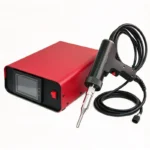
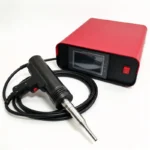
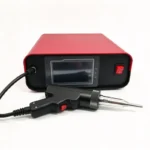
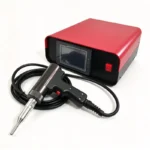

 Sample orders welcome
 Air & sea freight
 DHL courier delivery
 Warranty 6 months - 2 years by model
 OEM & ODM orders welcome

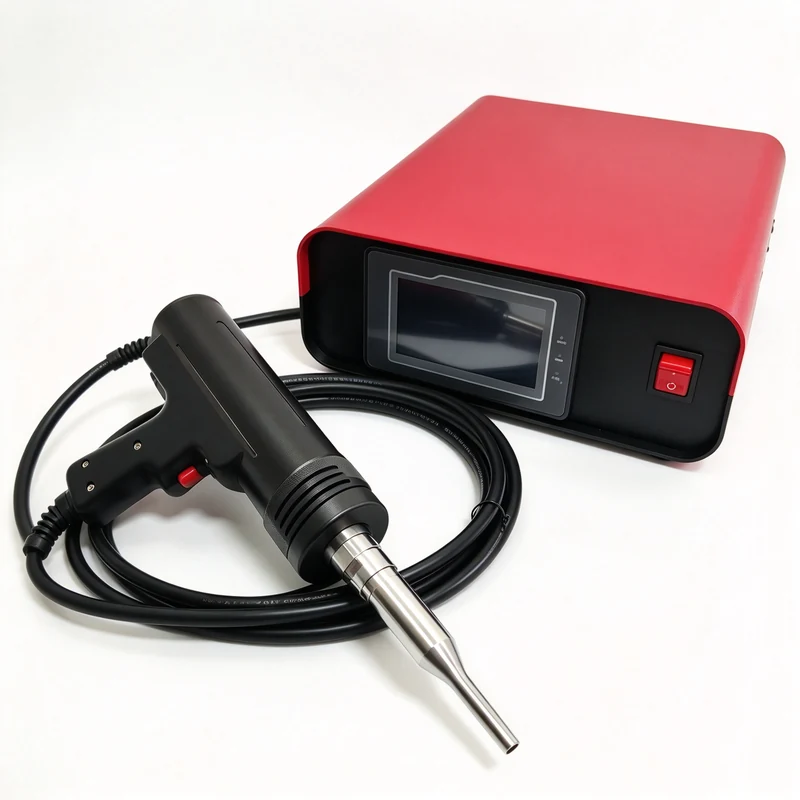
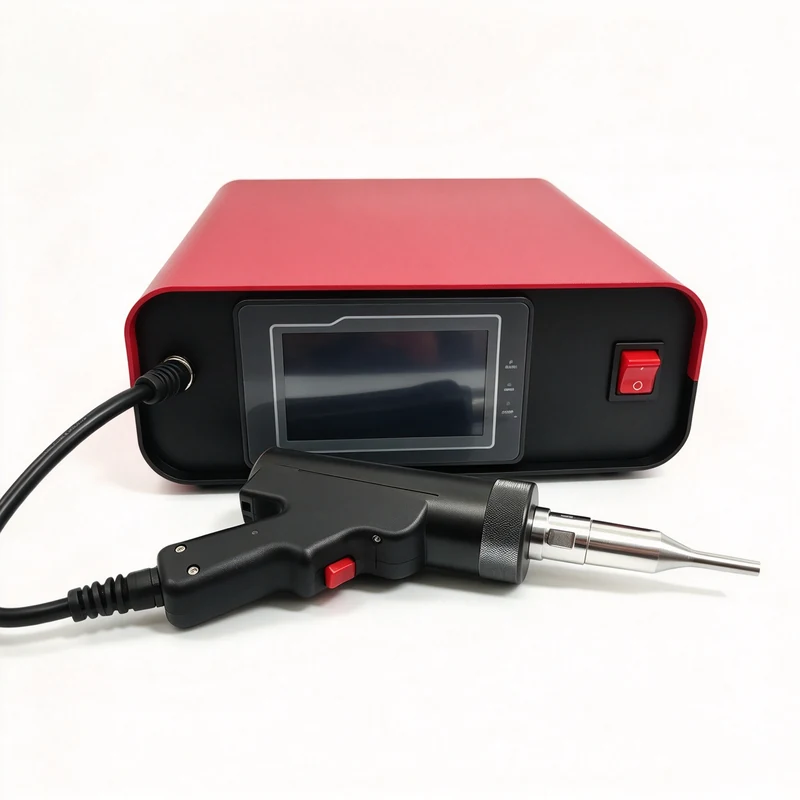
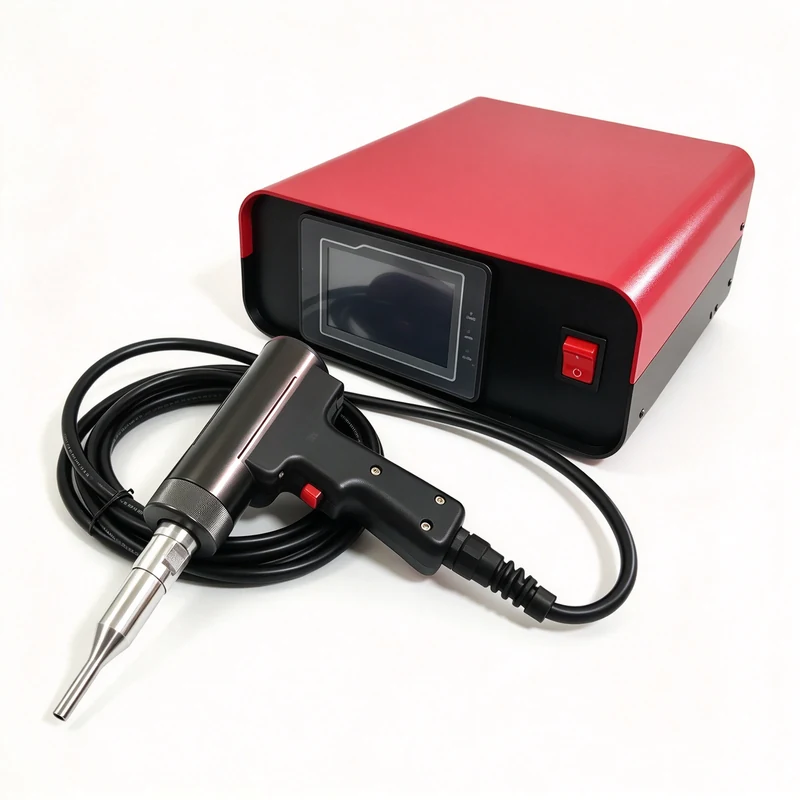
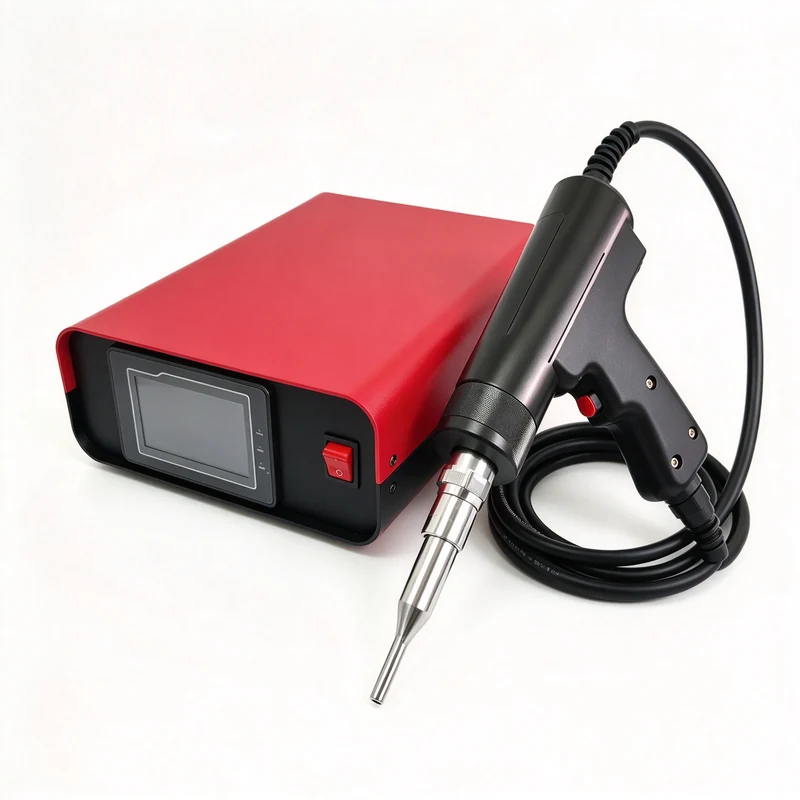
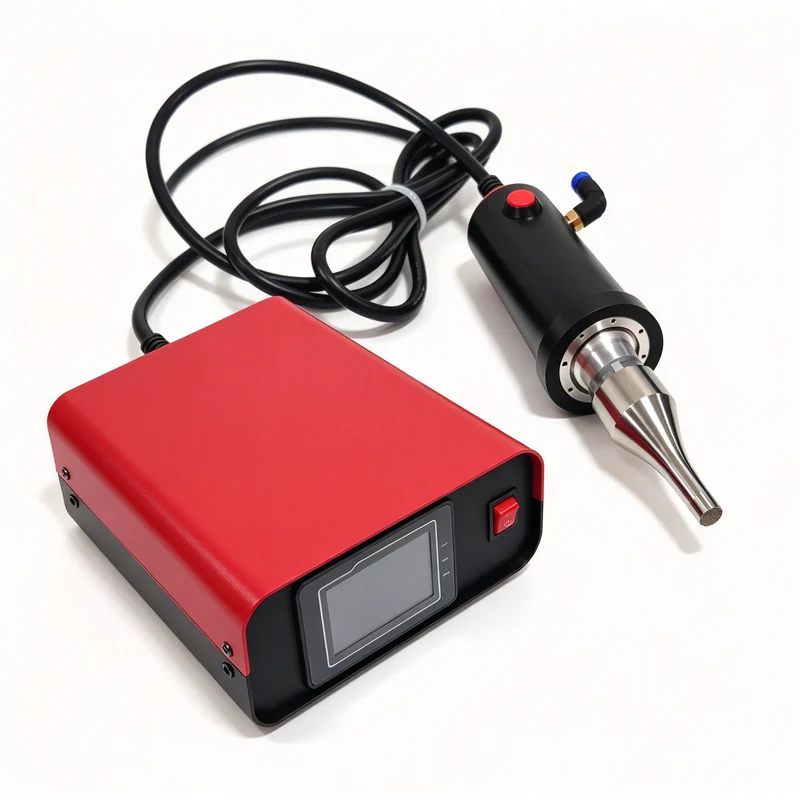
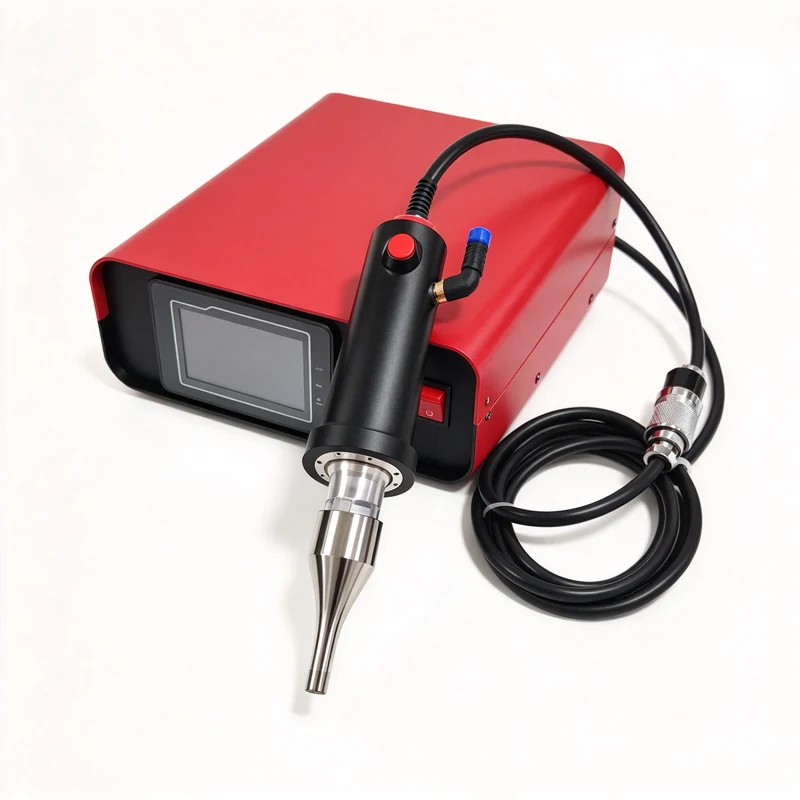
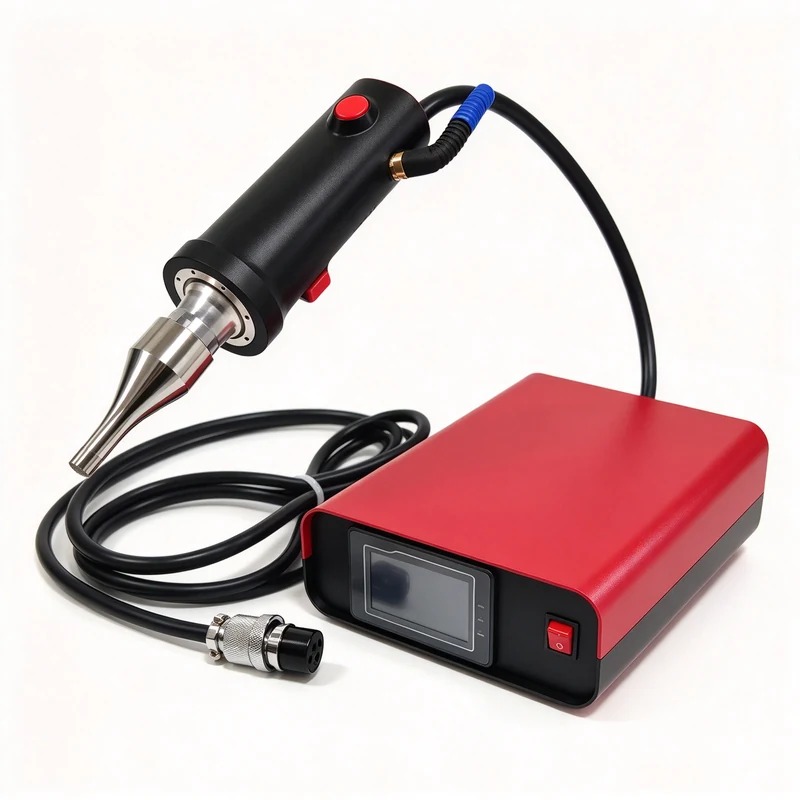
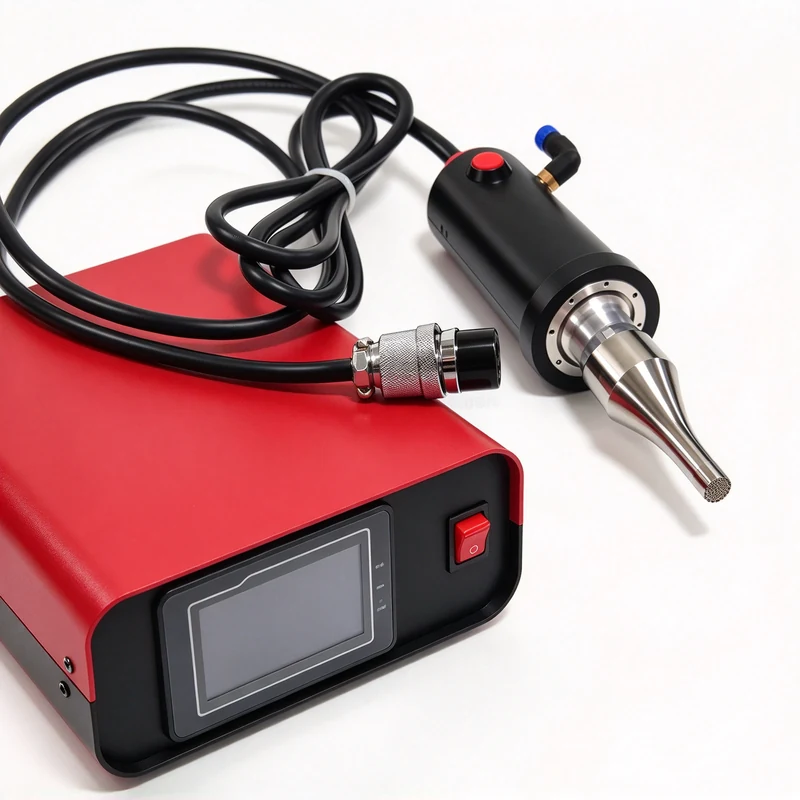
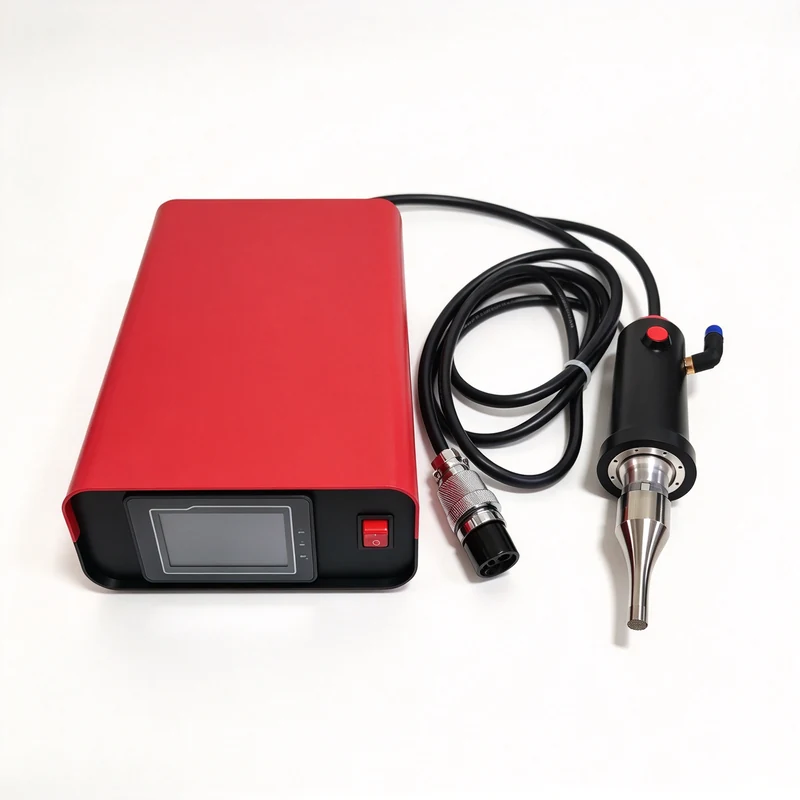
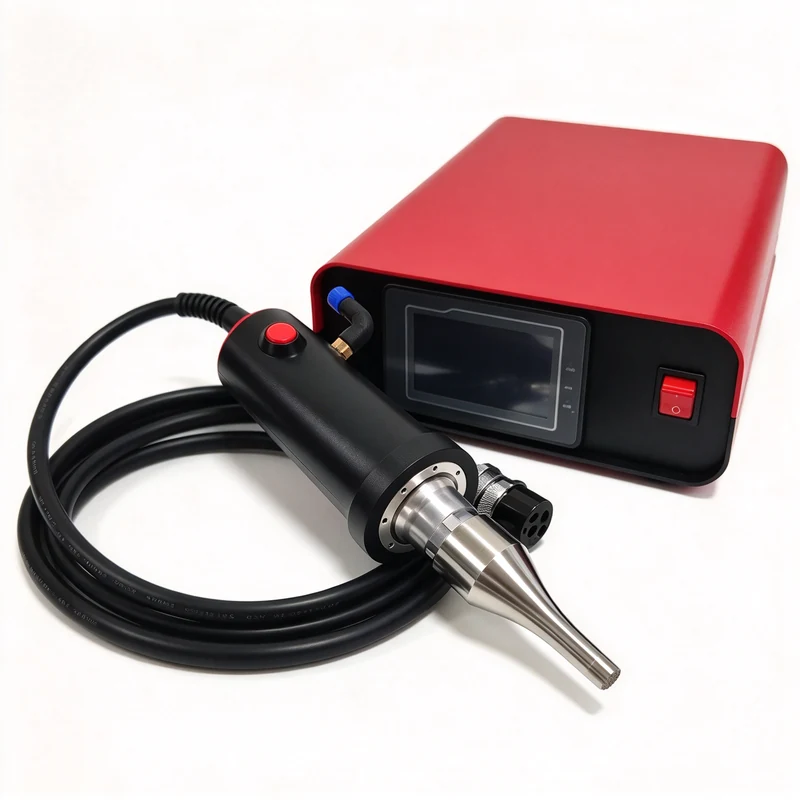
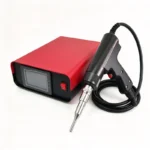
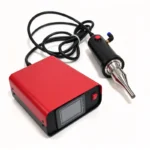
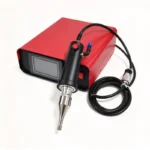
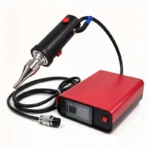
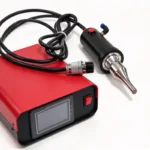
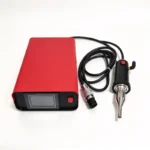
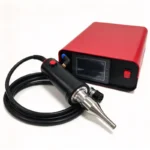
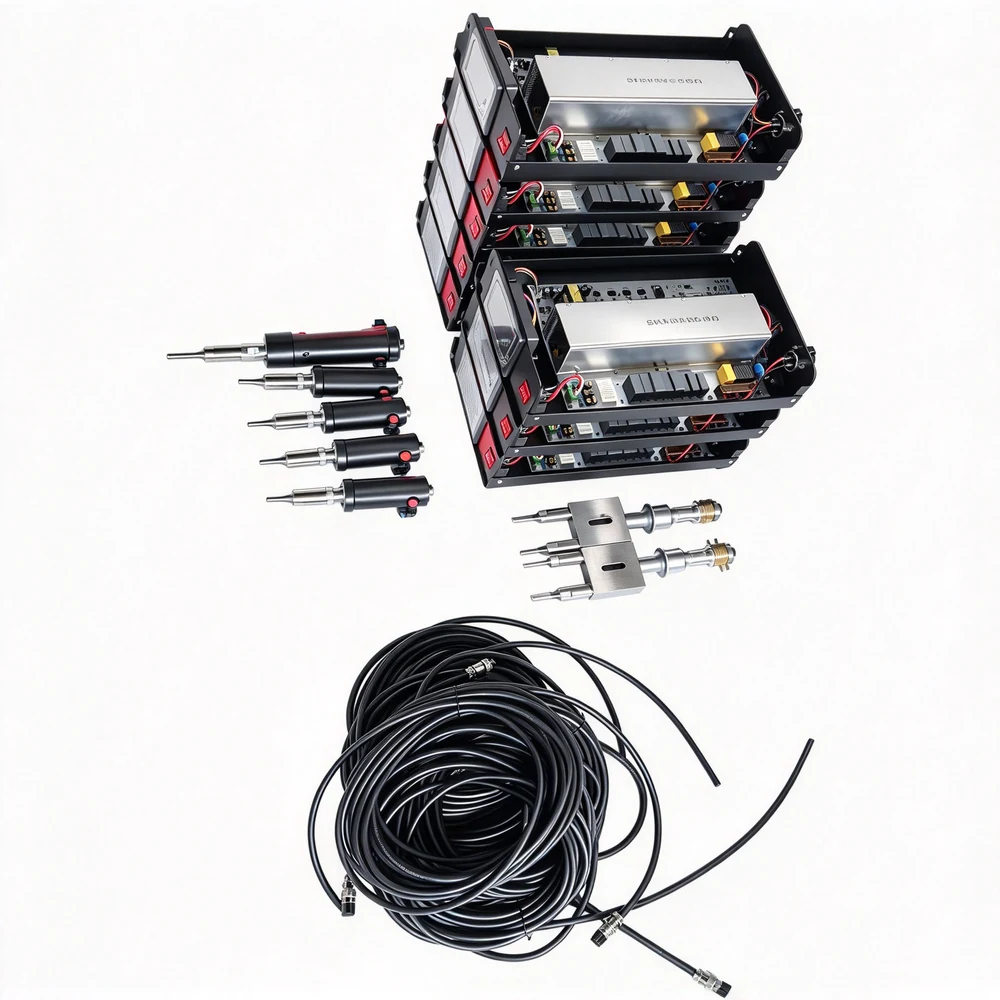
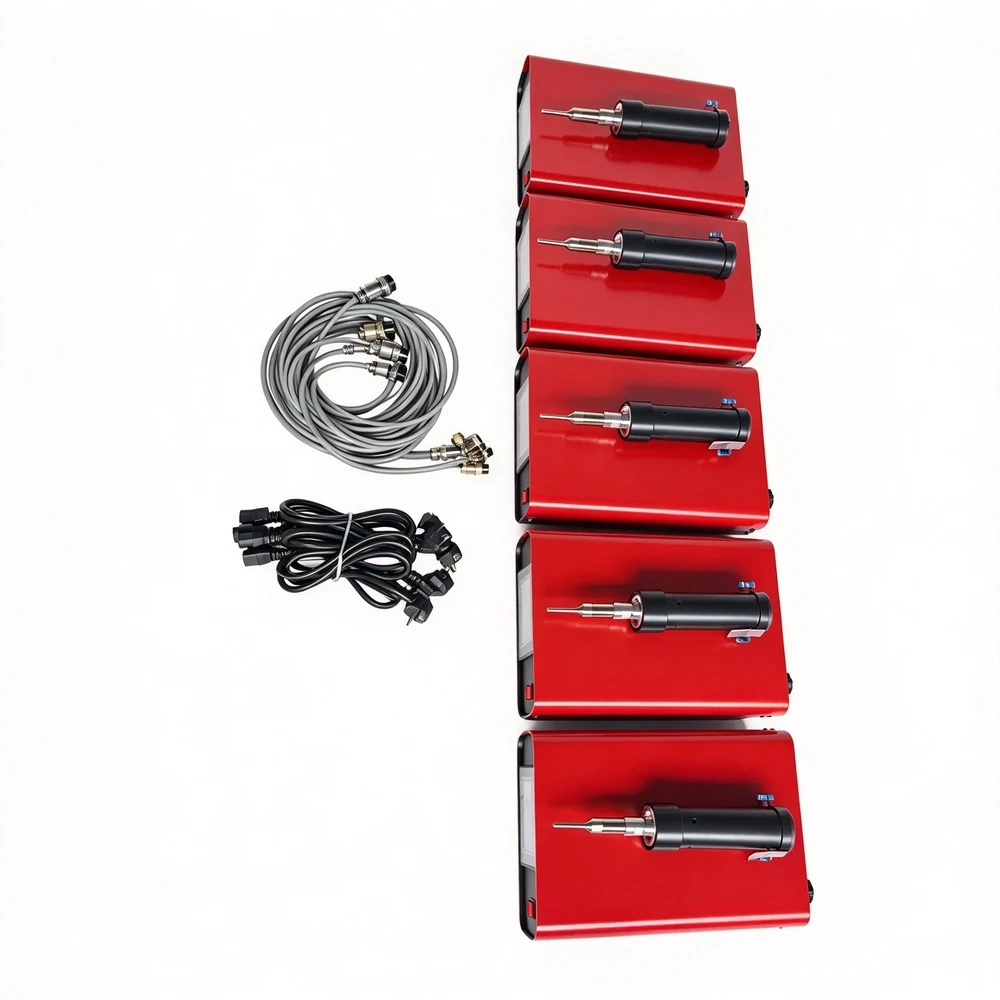
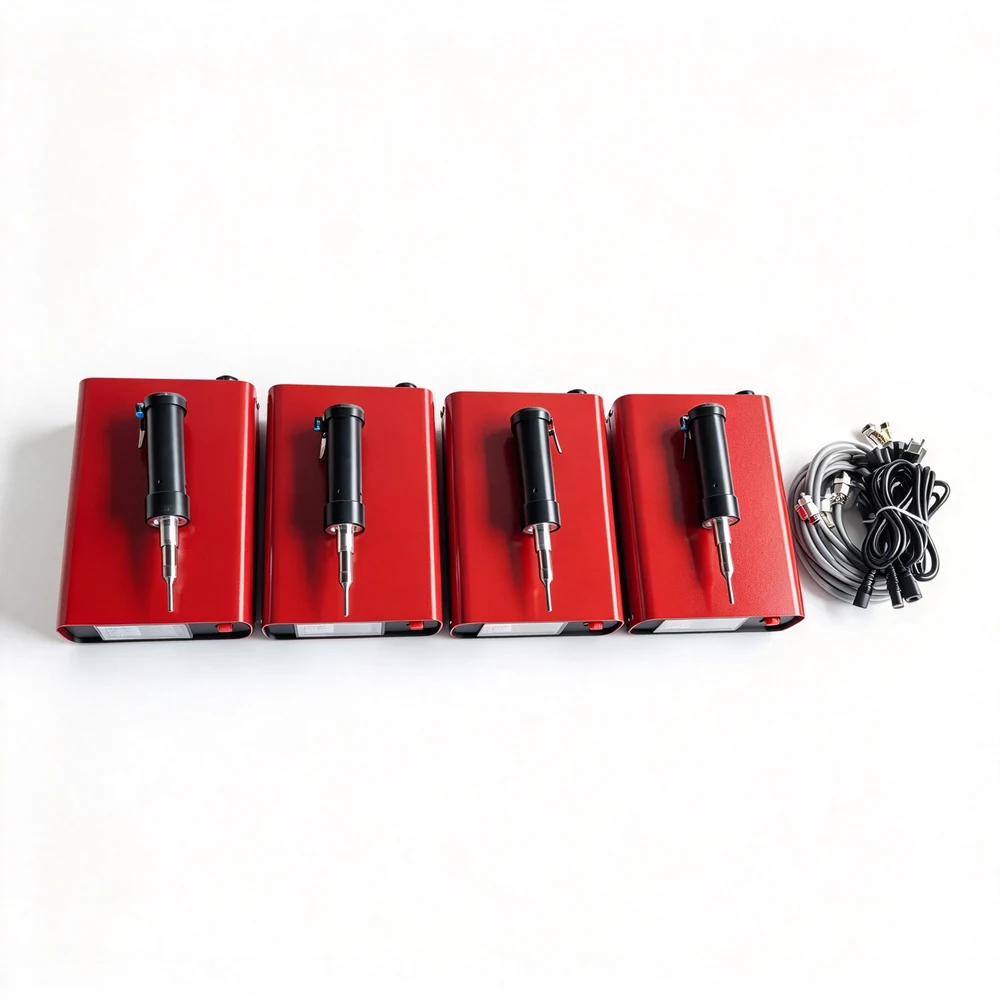
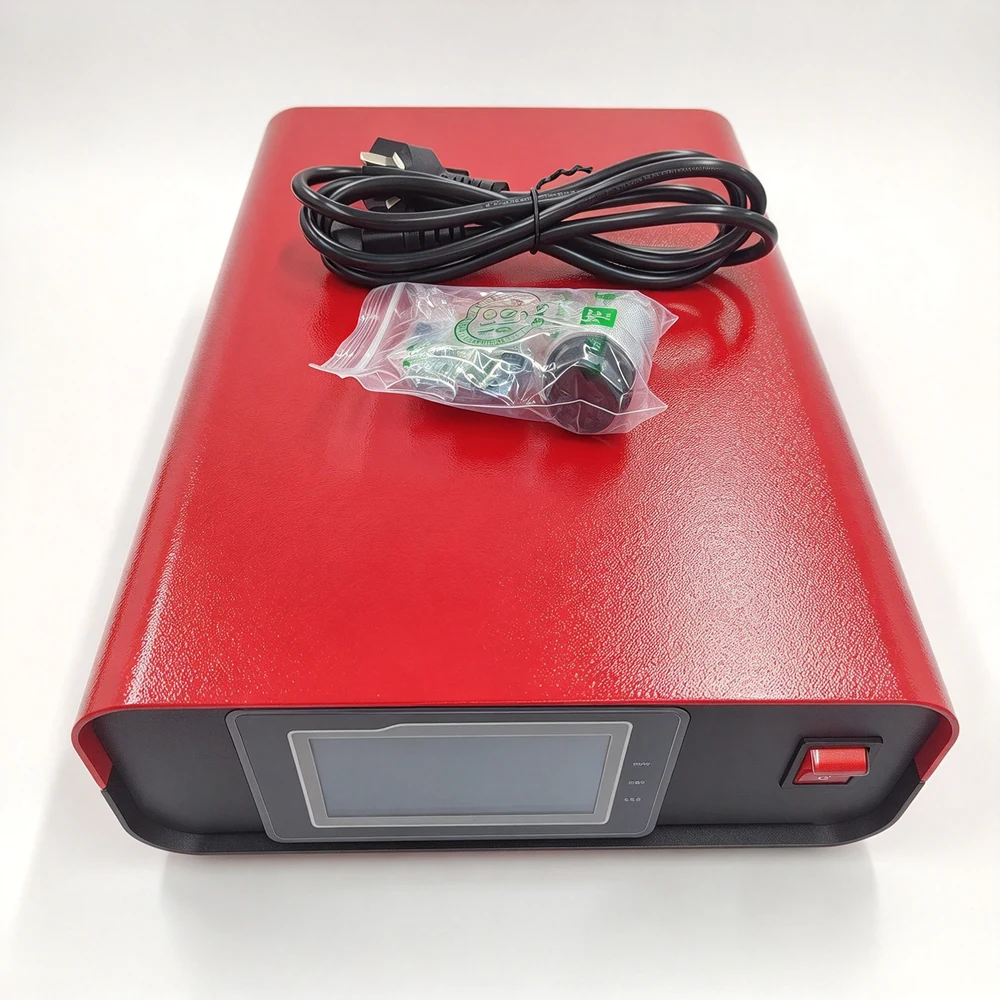
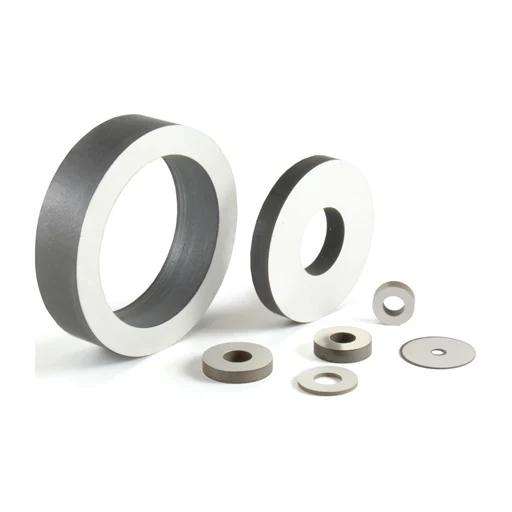
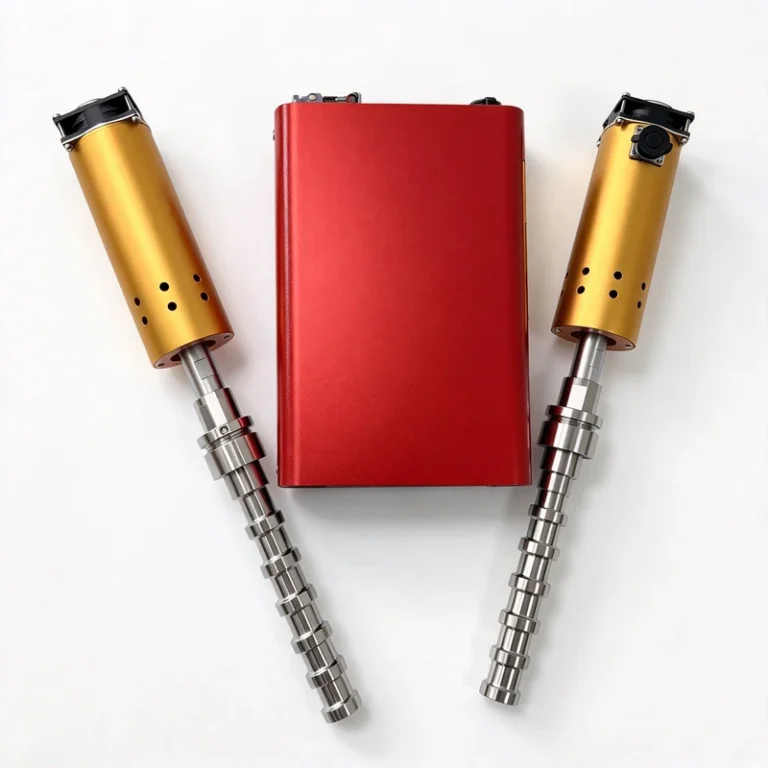
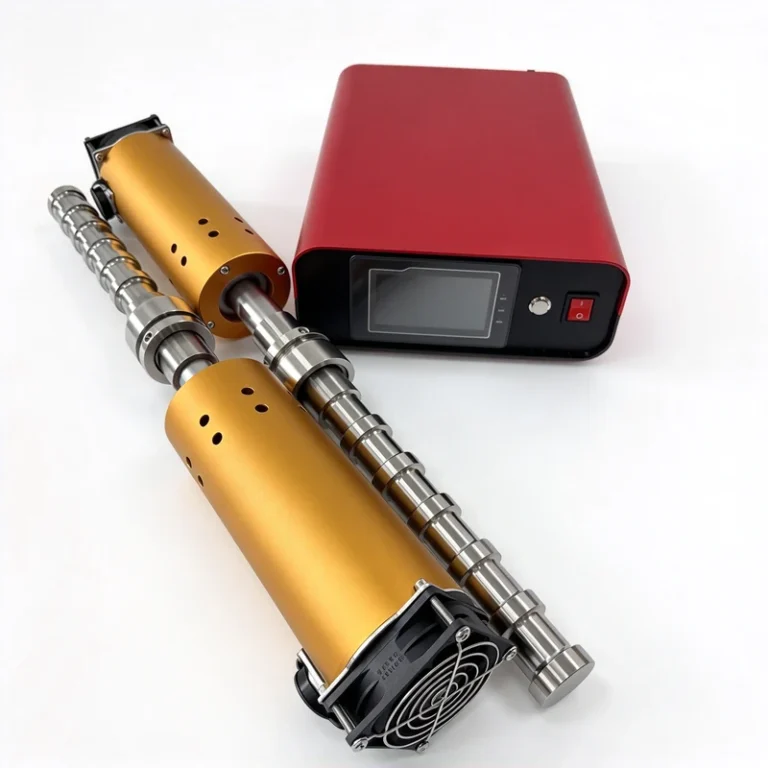
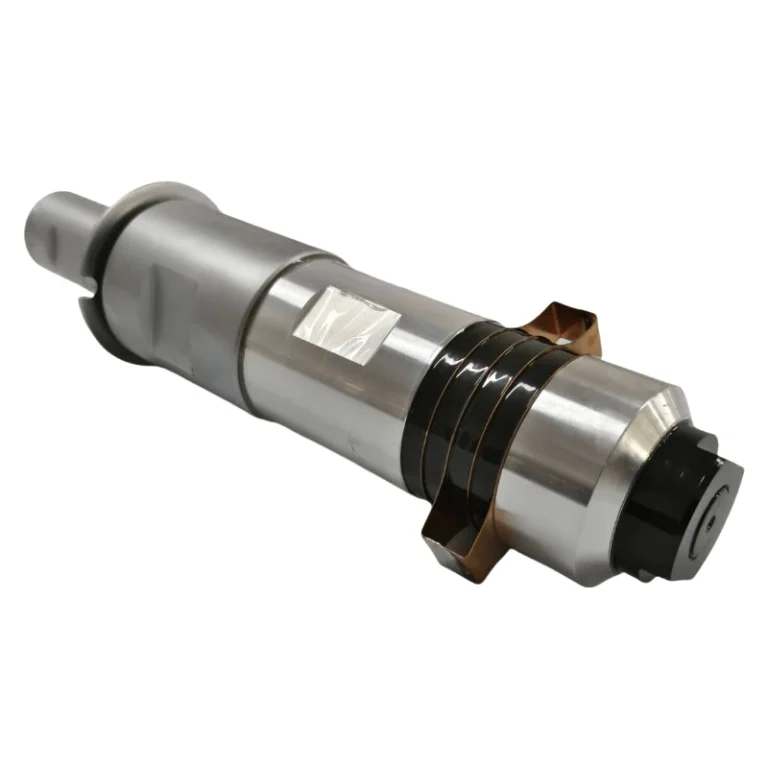
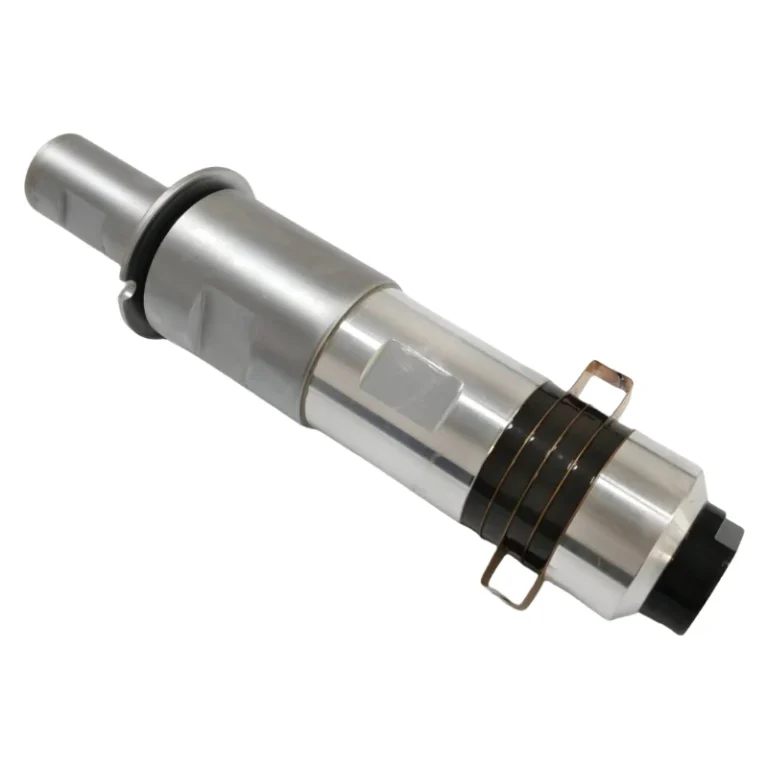
The operating principle of an ultrasonic spot welder involves using an ultrasonic generator to convert 50/60 Hz electrical current into electrical energy at frequencies of 15, 20, 30, or 40 kHz. This high-frequency electrical energy is then converted by a transducer into mechanical motion at the same frequency. This mechanical motion is subsequently transmitted to the welding horn (sonotrode) via an amplitude modulator (booster) that can adjust the amplitude. The welding horn delivers the vibrational energy to the interface of the workpieces being joined; in this region, the vibrational energy is converted into thermal energy through friction, which melts the plastic. Once the vibration ceases, a brief period of sustained pressure on the workpieces allows them to solidify into a single, integrated unit through molecular bonding. The welding process typically takes less than one second, and the resulting weld strength can be comparable to that of the base material. Beyond welding rigid thermoplastics, ultrasonic technology can also be used to process fabrics and thin films.Ultrasonic spot welders encompass a variety of types, including general ultrasonic spot welders, ultrasonic plastic spot welders, ultrasonic riveting/staking welders, ultrasonic metal welders, ultrasonic metal spot welders, standard ultrasonic welders, aluminum-nickel welders, spot welders for polymer battery positive electrodes, spot welders for lithium battery negative electrodes, aluminum-to-nickel spot welders, and amorphous silicon spot welders, among others.
Handheld spot welding machines are widely used across various sectors, including the garment, label, automotive, plastics and electronics, and household goods industries.
Garment industry: Pre-assembly processes for undergarments, welding of webbing or elastic bands, and the attachment of decorative rhinestones (hot-fixing).
Label industry: Processing of woven or printed labels.
Automotive industry: Welding of components such as door sound-insulation materials, wiper mounts, engine covers, and radiator caps.
Plastics and electronics: Riveting of small plastic parts.
Household goods industry: Spot welding of fibrous materials (such as batting or padding).
| Type | Power | Frequency | Input Voltage |
|---|---|---|---|
| UCE- | 300W | 28khz | 220V-240V |
| UCE- | 300W | 35KHz | 220V-240V |
| UCE- | 300W | 40khz | 220V-240V |
| UCE- | 500W | 28khz | 220V-240V |
| UCE- | 500W | 35KHz | 220V-240V |
| UCE- | 500W | 40khz | 220V-240V |
| UCE- | 800W | 28khz | 220V-240V |
| UCE- | 800W | 35KHz | 220V-240V |
| UCE- | 800W | 40khz | 220V-240V |
| UCE- | 1000W | 28KHz | 220V-240V |
 Overview
| Power | 1000W, 1200W, 300W, 500W, 800W |
|---|---|
| Frequency | 28kHz, 35kHz, 40kHz |
| Frequency Range | 15KHz 20KHz 28KHz 35KHz 40KHz |
| Input Voltage | 110V or 220V AC, 50Hz/60Hz |
 Processor
| Power | 1000W, 1200W, 300W, 500W, 800W |
|---|---|
| Frequency | 28kHz, 35kHz, 40kHz |
| Frequency Range | 15KHz 20KHz 28KHz 35KHz 40KHz |
| Input Voltage | 110V or 220V AC, 50Hz/60Hz |
 Display
| Power | 1000W, 1200W, 300W, 500W, 800W |
|---|---|
| Frequency | 28kHz, 35kHz, 40kHz |
| Frequency Range | 15KHz 20KHz 28KHz 35KHz 40KHz |
| Input Voltage | 110V or 220V AC, 50Hz/60Hz |
 RAM
| Power | 1000W, 1200W, 300W, 500W, 800W |
|---|---|
| Frequency | 28kHz, 35kHz, 40kHz |
| Frequency Range | 15KHz 20KHz 28KHz 35KHz 40KHz |
| Input Voltage | 110V or 220V AC, 50Hz/60Hz |
 Storage
| Power | 1000W, 1200W, 300W, 500W, 800W |
|---|---|
| Frequency | 28kHz, 35kHz, 40kHz |
| Frequency Range | 15KHz 20KHz 28KHz 35KHz 40KHz |
| Input Voltage | 110V or 220V AC, 50Hz/60Hz |
 Video Card
| Power | 1000W, 1200W, 300W, 500W, 800W |
|---|---|
| Frequency | 28kHz, 35kHz, 40kHz |
| Frequency Range | 15KHz 20KHz 28KHz 35KHz 40KHz |
| Input Voltage | 110V or 220V AC, 50Hz/60Hz |
 Connectivity
| Power | 1000W, 1200W, 300W, 500W, 800W |
|---|---|
| Frequency | 28kHz, 35kHz, 40kHz |
| Frequency Range | 15KHz 20KHz 28KHz 35KHz 40KHz |
| Input Voltage | 110V or 220V AC, 50Hz/60Hz |
 Features
| Power | 1000W, 1200W, 300W, 500W, 800W |
|---|---|
| Frequency | 28kHz, 35kHz, 40kHz |
| Frequency Range | 15KHz 20KHz 28KHz 35KHz 40KHz |
| Input Voltage | 110V or 220V AC, 50Hz/60Hz |
 Battery
| Power | 1000W, 1200W, 300W, 500W, 800W |
|---|---|
| Frequency | 28kHz, 35kHz, 40kHz |
| Frequency Range | 15KHz 20KHz 28KHz 35KHz 40KHz |
| Input Voltage | 110V or 220V AC, 50Hz/60Hz |
 General
| Power | 1000W, 1200W, 300W, 500W, 800W |
|---|---|
| Frequency | 28kHz, 35kHz, 40kHz |
| Frequency Range | 15KHz 20KHz 28KHz 35KHz 40KHz |
| Input Voltage | 110V or 220V AC, 50Hz/60Hz |
In stock
In stock
No account yet?
Create an Account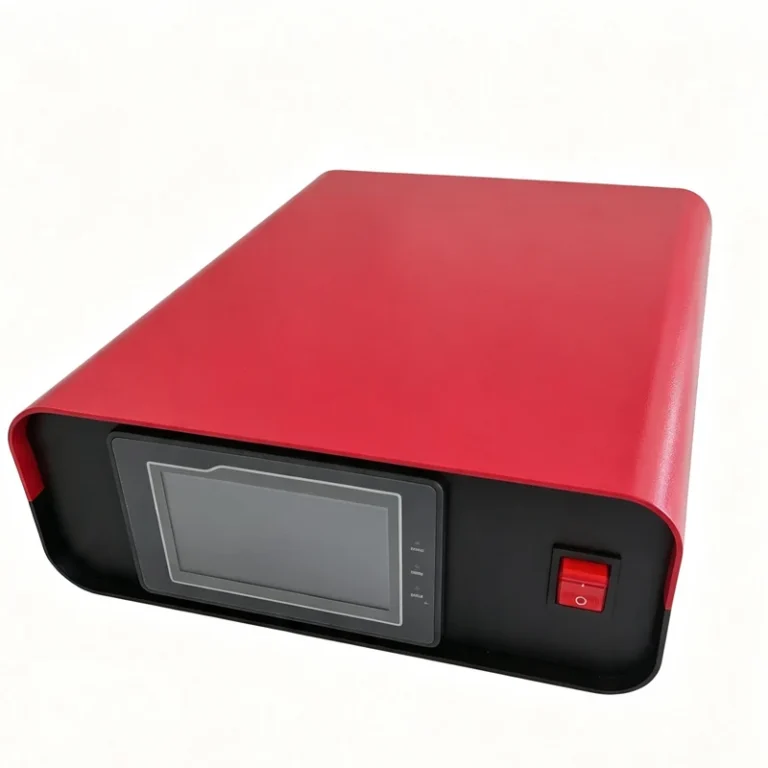
Reviews
Clear filtersThere are no reviews yet.