






How Ultrasonic Liquid Processing Supports Extraction, Emulsification and Dispersion Work

From Cleaning Tanks to Process Reactors
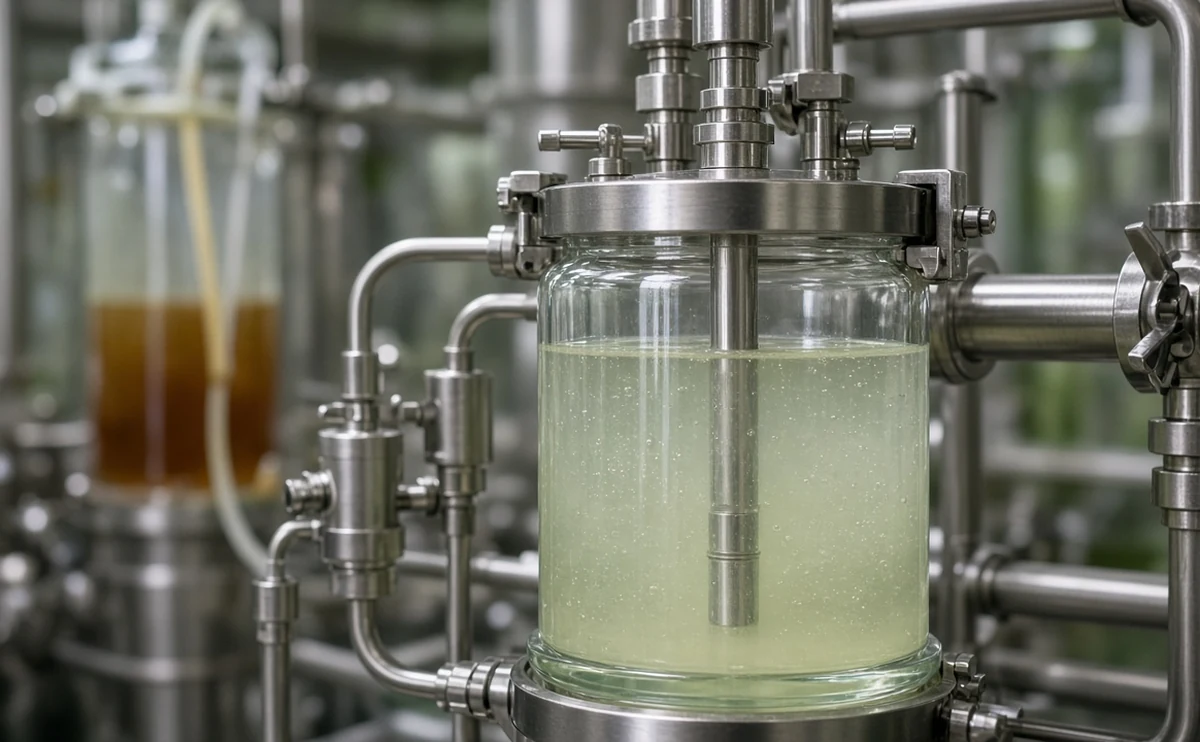
Most people associate ultrasonics with cleaning, yet the same physical principles are increasingly used to process liquids directly. In ultrasonic liquid processing, a transducer drives a probe, horn or tubular reactor that delivers intense acoustic energy into a flowing or static liquid. The resulting cavitation produces powerful local shear forces, micro jets and pressure waves that can break apart particles, rupture cells, mix immiscible liquids and accelerate chemical reactions. These effects make ultrasonic processing useful in fields as varied as plant and herbal extraction, food and beverage processing, cosmetics, coatings, inks, pharmaceuticals, biofuel preparation and environmental treatment. Compared with purely mechanical mixing, ultrasonic energy is concentrated where it is needed and can be controlled precisely by adjusting power and exposure time. Tubular reactor designs that radiate energy evenly around their circumference are particularly suited to continuous flow processing, while probe systems are widely used for laboratory and pilot scale work. As interest grows in processes that reduce solvent use, shorten processing time or improve product consistency, ultrasonic liquid processing is attracting attention from engineers who previously considered the technology only for cleaning parts in a tank.
Extraction of Plant and Natural Materials
Extraction is among the most established applications of ultrasonic liquid processing. When plant material is suspended in a solvent and exposed to cavitation, the collapsing bubbles disrupt cell walls and improve the penetration of the solvent into the material. This can help release valuable compounds such as essential oils, flavors, colors and active ingredients more efficiently than soaking alone. Ultrasonic assistance is used for herbal and botanical extracts, mushroom extracts, tea and coffee preparations and various natural ingredient applications. A key attraction is the potential to work at moderate temperatures, which helps protect heat sensitive compounds that might degrade during prolonged heating. Process conditions must still be chosen carefully, considering the particle size of the raw material, the ratio of solid to liquid, the solvent type, temperature control and the energy input. Excessive energy can generate heat and, in some cases, alter delicate compounds, so cooling and controlled exposure are important. Scaling extraction from laboratory to production usually involves moving from batch probes to flow through reactors, where the liquid passes through an ultrasonic zone at a defined rate. Pilot trials are valuable for establishing how extraction performance changes with throughput before committing to full production equipment.
Emulsification and Homogenization
Emulsification brings together liquids that do not naturally mix, such as oil and water, into a stable dispersion of fine droplets. Ultrasonic energy is well suited to this task because cavitation creates intense shear that breaks droplets into much smaller sizes than conventional stirring can achieve. Smaller and more uniform droplets often lead to emulsions with better stability, improved texture and more consistent appearance. This is valuable in cosmetics, creams and lotions, food dressings and sauces, flavor emulsions and various industrial formulations. Homogenization of milk based products and suspensions follows similar principles, aiming for uniform distribution of components throughout the liquid. The choice of surfactants or emulsifiers remains important, since ultrasonic energy creates fine droplets but the formulation must keep them from recombining over time. Process parameters such as power, residence time, temperature and the order in which phases are combined all influence results. In continuous production, inline ultrasonic reactors can be placed after a pre mixing stage, refining the emulsion as it flows through. Because equipment can be cleaned relatively easily and has no complex rotating seals in contact with the product, it can also support hygienic processing requirements when designed with suitable materials and surface finishes.
Dispersion and Deagglomeration of Particles
Many products depend on fine particles being evenly distributed in a liquid, including paints, inks, coatings, ceramic slurries, battery materials and pharmaceutical suspensions. Powders often form agglomerates during storage and handling, and simply stirring them into a liquid may not break these clusters apart. Ultrasonic cavitation applies strong local forces that separate agglomerates and wet individual particles more thoroughly, improving dispersion quality. Better dispersion can lead to more uniform color, smoother surfaces, improved stability and more predictable performance in the final product. Wet milling applications use ultrasonic energy to reduce particle size further, sometimes complementing traditional milling equipment. The effectiveness of dispersion depends on the particle type, concentration, viscosity of the liquid and the presence of dispersing agents. Higher viscosity materials may require more energy or longer exposure, and heat generation must be managed to protect sensitive ingredients. Measuring particle size distribution before and after processing helps quantify improvements and guide optimization. When moving to production scale, flow through systems with controlled residence time provide repeatable treatment of every portion of the batch, avoiding the uneven results that can occur when a single probe treats a large stationary volume.
Sonochemistry, Biofuel and Environmental Uses
Beyond physical mixing and extraction, ultrasonic energy can influence chemical processes. Cavitation creates localized zones of high temperature and pressure on a microscopic scale, along with intense mixing at interfaces. These conditions can accelerate certain reactions, improve mass transfer between phases and enhance the activity of catalysts. This field, often called sonochemistry, is explored in applications such as biodiesel preparation, where ultrasonic mixing helps oil and alcohol react more efficiently in the presence of a catalyst. Ultrasonic treatment is also studied and applied in desulfurization processes, aging of wines and spirits, degassing of liquids and the treatment of wastewater, where cavitation can help break down certain contaminants or improve the performance of other treatment steps. Marine anti fouling systems use ultrasonic vibration to discourage organisms from settling on surfaces. Each of these applications has its own chemistry and regulatory considerations, and results can vary significantly depending on process design. For engineers, the key is to treat ultrasonic energy as a process intensification tool that must be integrated thoughtfully with existing equipment, temperature control and safety systems, rather than as a universal solution that works the same way in every situation.
Scaling Up From Laboratory to Production
Moving an ultrasonic liquid process from the laboratory to production requires careful planning. Laboratory probes offer flexibility for screening conditions, but their energy density and treatment pattern differ from industrial reactors. A useful approach is to define the energy delivered per unit volume of liquid during laboratory work, then design pilot trials that reproduce similar conditions with flow through equipment. Tubular reactors with radial vibration distribute energy evenly around the liquid path, and multiple units can operate in series or parallel to match the required throughput. Materials of construction should be compatible with the process liquid, with stainless steel and titanium commonly used for wetted parts. Temperature control, pressure limits, sealing and cleaning procedures must be addressed in the design, particularly for food, pharmaceutical and chemical applications. Generator stability is also important, since consistent power output under changing load conditions supports repeatable product quality. Throughout scale up, measuring the key quality attributes of the product, such as extract yield, droplet size or particle distribution, provides objective feedback on whether the process remains on target. Collaboration between process engineers and equipment suppliers helps translate promising laboratory results into a robust production system that delivers dependable performance.
Cleaning, Maintenance and Process Hygiene
Liquid processing systems must be kept clean and well maintained to deliver consistent results. Residues left on probes, horns or reactor walls can affect product quality and, in sensitive industries, create hygiene concerns. Establishing cleaning procedures that suit the product and the materials of construction is therefore essential, whether that involves flushing with water, using compatible detergents or following defined clean in place routines. Wetted parts should be inspected for signs of erosion, since prolonged cavitation can gradually wear surfaces, and worn components should be replaced before they influence performance. Seals, gaskets and connections deserve regular checks to prevent leaks. Generators and cables should be protected from moisture in processing areas. Documenting these routines alongside process settings supports quality audits and helps ensure that the benefits achieved during development are maintained throughout production.