






What Buyers Should Prepare Before Requesting a Custom Ultrasonic System Quote

Why Preparation Leads to Better Proposals
When companies request a quote for ultrasonic equipment, the quality of the proposal they receive depends heavily on the information they provide. A short message asking for a price on a cleaning machine of a certain size leaves the supplier guessing about materials, contaminants, cleanliness targets, throughput and site conditions. The resulting quote may be based on assumptions that do not match real needs, leading to equipment that is oversized, undersized or missing important features. Preparation helps both sides. Buyers who describe their process clearly receive proposals that are easier to compare, because each supplier responds to the same defined requirements. Suppliers can recommend appropriate frequencies, power levels, tank construction, filtration and control options rather than offering generic packages. Clear preparation also shortens the overall project timeline, since fewer rounds of questions are needed before an order can be confirmed. For custom systems, such as immersible transducer packs for existing tanks, multi stage cleaning lines, mold cleaning equipment or liquid processing reactors, this becomes even more important. Spending time to gather the right details at the start reduces the risk of costly changes later and builds a stronger foundation for a successful working relationship between buyer and supplier.
Describing Parts, Materials and Contaminants
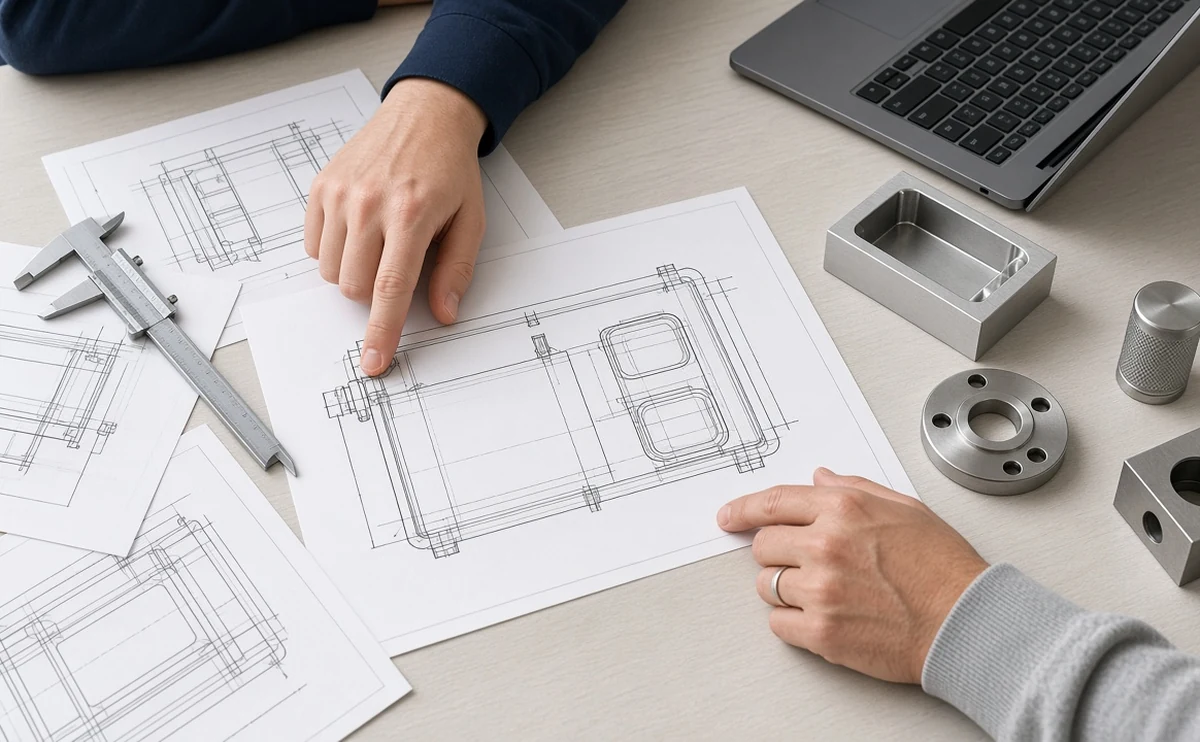
The most valuable information a buyer can provide concerns the items that will be processed. For cleaning applications, describe the part materials, approximate dimensions, weight and geometry, including features like blind holes, threads or internal channels. Explain the type of contamination, such as cutting oil, polishing paste, carbon deposits, flux, dust, rust or release agents, and how heavily the parts are soiled. Indicate the cleanliness standard required for the next process, whether that is visual cleanliness, coating preparation, assembly or a specific customer requirement. Photos of typical parts before and after current cleaning methods are extremely helpful, as are samples that can be used for trials. For welding applications, share part drawings, material types, joint design and the required weld performance. For liquid processing, describe the liquid composition, viscosity, temperature limits, target outcome and current process. If parts vary widely, provide examples of the largest, smallest and most challenging items. This information allows the supplier to evaluate frequency, power density, chemistry and process steps realistically. It also helps identify whether a single system can meet all needs or whether multiple stages or tanks would deliver better results and more efficient use of floor space.
Defining Throughput, Workflow and Site Conditions
Beyond the parts themselves, suppliers need to understand how the equipment will fit into daily operations. Describe the expected volume of parts per shift, the batch sizes used and the cycle time available for cleaning or processing. Explain how parts arrive at the station and where they go next, whether operators load baskets manually, use hoists or rely on conveyors and robots. Provide information about available floor space, ceiling height, access routes for installation and any constraints such as nearby equipment or walkways. Site utilities are equally important, including the available electrical supply standard, water supply and drainage, compressed air and ventilation. If the equipment must connect to a plant control system, describe the type of signals or communication required. Environmental conditions, such as high humidity, dust or temperature extremes, may influence the choice of generator enclosures and materials. Safety and noise requirements, local regulations and any internal standards should also be shared at this stage. With this context, suppliers can propose layouts, tank sizes, lifting arrangements, heating capacity and filtration that suit the real working environment. The result is a system that integrates smoothly rather than a design that forces the workshop to adapt around it after delivery.
Discussing Options, Trials and Customization
Once requirements are clear, a productive conversation about options can begin. Suppliers may suggest different frequencies, single or multi frequency generators, sweep functions, heating systems, filtration, oil skimming, rinse stages, drying or remote control interfaces. Each option should be evaluated against the defined requirements rather than accepted or rejected based on price alone. Cleaning or processing trials with real samples are among the most effective ways to verify recommendations, because they reveal how parts respond to specific settings and chemistry. During trials, record the conditions used, inspect results carefully and discuss any concerns about surface condition or residual contamination. Customization is common in ultrasonic equipment, including non standard tank dimensions, special materials, cable outlet positions for immersible packs, custom horns for welding and reactor configurations for liquid processing. Buyers should describe any special requirements clearly and ask how they affect lead time, documentation and future spare parts. It is also worth asking how the supplier handles design approval, such as providing drawings or specifications for confirmation before production. A collaborative approach at this stage helps ensure that the final design reflects practical experience from both the buyer’s production team and the supplier’s engineering team.
Understanding Quotations, Delivery and Documentation
When proposals arrive, read them carefully and compare not only prices but also scope. Check which items are included, such as generators, transducers, tanks, baskets, heaters, filters, cables, control panels and spare parts, and which are listed as optional. Confirm the electrical supply standard the equipment is built for and whether any adaptations are required for your site. Review the proposed lead time and how it relates to your project schedule, keeping in mind that custom designs and trials may extend preparation time. Ask about packaging and shipping methods, especially for large tanks or lines, and clarify responsibilities for freight, insurance, customs procedures and unloading at your site. Documentation should include operating manuals, wiring information, maintenance instructions and recommended consumables. If your quality system requires specific inspection records or certificates for materials or components, raise this before ordering so that the supplier can confirm what can be provided. Payment terms, warranty coverage and the process for handling technical issues should be clearly stated in the proposal or contract. Taking time to clarify these details prevents misunderstandings and ensures that both parties share the same expectations from order confirmation through installation and commissioning.
Building a Long Term Partnership After Installation
The relationship with an equipment supplier should not end when the system is delivered. Effective installation and commissioning, whether carried out by the supplier, a local partner or the buyer’s own team with remote guidance, set the stage for reliable operation. Training operators and maintenance staff on correct use, safety practices and routine care is essential, and it is helpful to record key settings that were validated during commissioning. As production runs, keep records of performance, solution changes, alarms and any issues, and share this information with the supplier when questions arise. Many problems can be resolved quickly when clear descriptions and photos are available. Over time, production needs may evolve, with new parts, higher volumes or stricter cleanliness requirements. A supplier familiar with your process can advise on upgrades, additional stages or replacement components that keep the system aligned with these changes. Periodic reviews of equipment condition and process results, combined with timely ordering of spare parts and consumables, help avoid unexpected downtime. By treating the supplier as a technical partner rather than simply a vendor, buyers gain access to accumulated experience that supports continuous improvement and protects the long term value of their investment.
Planning Budgets Around Total Cost of Ownership
When reviewing proposals, it is tempting to focus on the purchase price, yet the total cost of ownership often tells a more useful story. Energy consumption, detergent and water use, filtration consumables, spare parts and maintenance time all contribute to operating cost over the life of the equipment. A system with efficient generators, well insulated tanks and effective filtration may cost more initially but use fewer resources each day. Reliability matters too, since unplanned downtime can affect production schedules and customer commitments. Buyers can ask suppliers to describe typical consumables, recommended maintenance tasks and expected replacement parts, then estimate these costs alongside the initial investment. Including production, maintenance and finance colleagues in this evaluation helps build a balanced view and supports a decision that remains sound long after installation.