





How Trade Show Demonstrations Help Buyers Evaluate Ultrasonic Cleaning Solutions

Why Seeing Equipment in Action Still Matters
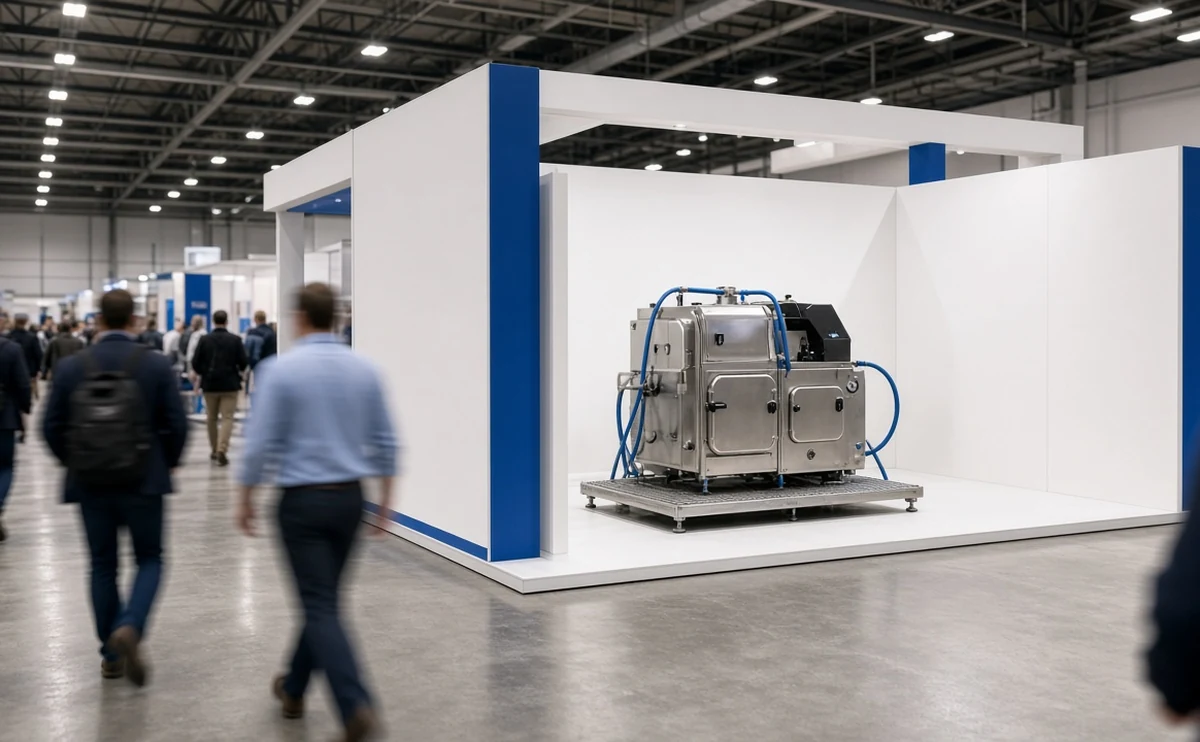
In an age when product information is easy to find online, industrial trade shows still play an important role for buyers of ultrasonic equipment. Specifications, photos and brochures describe what a system is designed to do, but they cannot fully convey how it behaves in operation. At an exhibition, visitors can watch cavitation in a tank, listen to the sound level, observe how lids, baskets and controls are designed and compare the build quality of different machines side by side. This direct experience helps buyers form realistic expectations and identify features that matter for their own workshops. Trade shows also bring together suppliers of related technologies, such as detergents, filtration, drying, automation and inspection, giving visitors a broader view of how complete cleaning processes are assembled. For engineers responsible for selecting equipment, a well planned visit can replace many separate meetings and shorten the early stages of a project. However, the value gained depends on preparation and on knowing what to look for during demonstrations. Treating an exhibition as a structured evaluation opportunity, rather than a casual walk through crowded halls, turns the visit into a productive step toward choosing equipment that truly fits the needs of the business.
Preparing Before Visiting an Exhibition
Preparation begins well before arriving at the venue. Start by defining the problems you want to solve, such as removing heavy grease from machined parts, cleaning molds without damage, improving weld consistency or exploring liquid processing. Gather information about the parts involved, including materials, sizes, contaminants and cleanliness targets, and bring photos or small samples if exhibitors allow demonstrations with customer parts. Review the exhibitor list in advance and identify suppliers whose product ranges match your interests, then plan a route that allows enough time at each stand. Prepare a short list of questions covering frequency options, generator features, tank construction, filtration, controls, documentation, spare parts and technical support. Having the same questions for each supplier makes later comparison much easier. It is also worth considering who should attend from your company, since production, maintenance and quality staff may notice different strengths and weaknesses. If possible, arrange meetings with technical specialists at key stands ahead of time, so that conversations can go beyond general sales information. Finally, plan how you will record what you learn, whether through notes, photos where permitted or a simple evaluation form that captures impressions while they are still fresh.
What to Observe During Live Demonstrations
Live demonstrations are the heart of a productive exhibition visit. When watching an ultrasonic cleaning demonstration, observe how quickly and evenly contaminants are removed and whether the cleaning action appears consistent across the tank. Ask what detergent, temperature and cycle time are being used, since these factors strongly influence results and may differ from your intended process. Look closely at how parts are loaded, whether baskets protect them from contact with the tank surface and how easy it is to drain and refill the system. Listen to the noise level with lids open and closed, and notice whether the generator remains cool and stable during extended operation. For immersible transducer packs, examine how cables are routed and sealed. For welding demonstrations, look at weld appearance, ask how parameters are set and monitored, and examine tooling quality. In liquid processing demonstrations, ask how energy delivery is controlled and how the process scales beyond the demonstration unit. Remember that exhibition conditions are often optimized to show equipment at its best, so treat demonstrations as a starting point for discussion rather than final proof. The goal is to understand how each system works and whether its design approach aligns with your needs.
Asking the Right Technical Questions
Conversations at the stand are an opportunity to understand the supplier’s technical depth. Ask how the generator tracks frequency as load and temperature change, what protections are built in and how alarms are communicated to operators. Discuss how transducers are bonded and tested, what materials are used for tanks and housings and how the design handles heat and corrosion. If you require multi frequency operation or sweep functions, ask how these are implemented and in which applications they deliver the most benefit. Explore customization possibilities, such as non standard tank sizes, special cable outlets, remote control interfaces or integration with existing lines. Clarify what documentation is supplied, how spare parts are provided and how technical support is handled when issues occur. If you have specific materials or contaminants, describe them and ask whether the supplier can arrange trials after the show. Pay attention not only to the answers but also to how they are given; suppliers who explain trade offs openly and ask detailed questions about your process are often more helpful partners than those who promise universal solutions. These discussions build the understanding needed to evaluate proposals objectively when formal quotations are requested later.
Turning Exhibition Contacts Into Productive Projects
The real value of an exhibition visit emerges in the weeks that follow. Soon after returning, review your notes and evaluation forms while impressions are still clear, and share them with colleagues who could not attend. Identify the suppliers whose equipment and approach appear best suited to your needs, and follow up with a structured request that includes the part information, process requirements and site conditions discussed at the show. Where possible, arrange cleaning, welding or processing trials with your own samples, since results on real parts provide the most reliable basis for comparison. Request clear proposals that specify scope, options, documentation and support arrangements, and compare them against the requirements you defined before the exhibition. It can be helpful to hold follow up video calls with technical specialists to clarify open questions and review trial results together. Avoid making decisions based solely on the most impressive demonstration or the lowest price; instead, weigh process fit, build quality, support and long term operating considerations. By following through systematically, buyers transform brief conversations in a busy exhibition hall into well informed projects that deliver dependable equipment and productive supplier relationships over time.
The Role of Exhibitions in an Evolving Industry
Trade shows also offer a valuable view of how the ultrasonic industry is evolving. Walking through exhibition halls, visitors can see how suppliers address common challenges such as energy efficiency, process documentation, noise reduction, solvent reduction and integration with automated production. They can observe trends in tank design, generator interfaces, multi frequency systems and combined processes like ultrasonic electrolytic cleaning or ultrasonic liquid processing. Conversations with other visitors and industry professionals often reveal practical experiences that are not captured in product literature, such as maintenance lessons or creative applications in unexpected sectors. For suppliers, exhibitions are a chance to listen to customer needs and refine their designs, which ultimately benefits buyers as well. Even when no immediate purchase is planned, regular attendance helps engineering and purchasing teams stay informed about available options and changing expectations in their own markets. In combination with online research, supplier visits and in house trials, exhibitions remain a useful part of a balanced evaluation process. Approached with clear objectives and thoughtful follow up, they help companies make better decisions about the ultrasonic equipment that will support their production quality and efficiency for years to come.
Making Good Use of Time at the Venue
Exhibition days are busy, and time at each stand is limited, so a little organization goes a long way. Arriving early, before aisles become crowded, often allows longer conversations with technical staff. Visiting the most important stands first ensures that priority discussions are not cut short later in the day. Taking brief notes immediately after each visit, including the names of the people met and the key points discussed, prevents details from blurring together. Collecting product literature is useful, but asking specific questions about your own parts and process is far more valuable. If a demonstration cannot address your application directly, request a follow up trial rather than relying on general claims. Ending the day with a short team review of impressions helps prioritize which suppliers to contact first and keeps the evaluation focused on real needs.